
- Arcana
- Minor
- Suit
- Swords
- Element
- Air
- Attribution
- Mercury in Aquarius
- Yes or no
- YES
Tarot card meaning
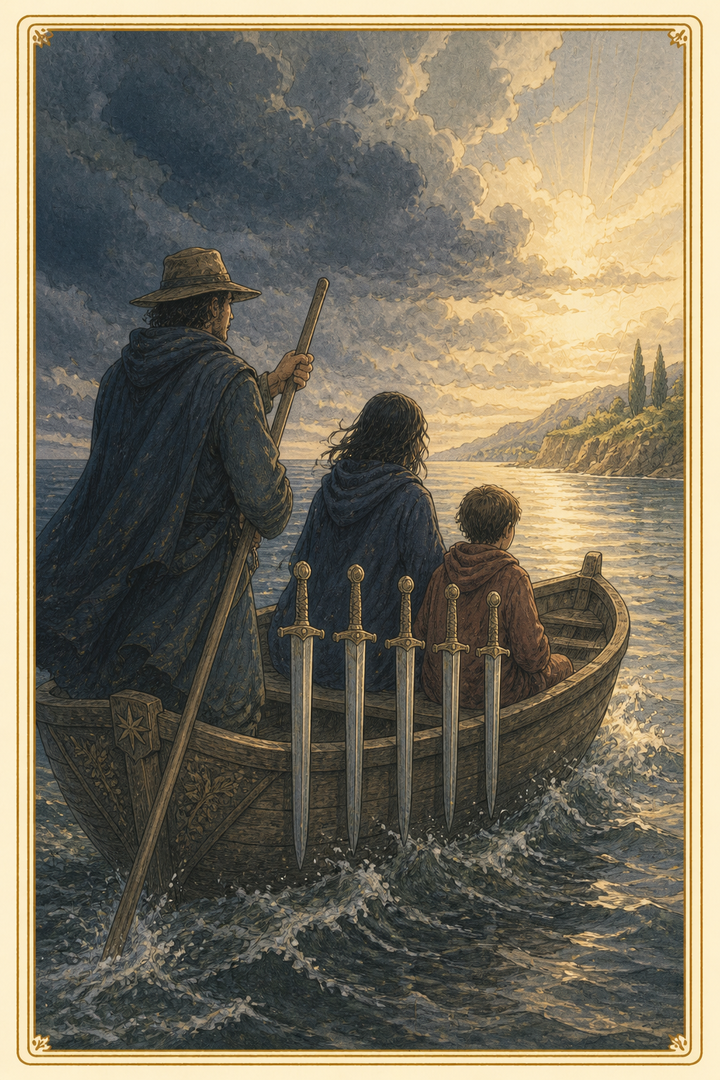
Six of Swords
Movement toward harmony in thought, communication, and difficult clarity.
 Written byEmily ParkerAstrology & Tarot Writer
Editorial review byMyMysticDay Editorial TeamEditorial standards reviewer
Written byEmily ParkerAstrology & Tarot Writer
Editorial review byMyMysticDay Editorial TeamEditorial standards reviewer
In one paragraph
Six of Swords belongs to the suit of Swords in the Minor Arcana, attributed to Mercury in Aquarius in the Golden Dawn scheme the Waite-Smith deck follows. Upright it points to movement toward harmony in thought, communication, and difficult clarity. Reversed, the meaning is not inverted — it is blocked, delayed, turned inward or overextended, depending on where the card sits in its suit. The card describes what is in front of you; what you do about it stays yours.
What does Six of Swords mean upright?
Upright, Six of Swords holds movement toward harmony in thought, communication, and difficult clarity — support, perspective, or recovery after strain. This is the recovery of the suit, and the question underneath it: What here is genuinely mended, and what is only quieter?
What does Six of Swords mean reversed?
Reversed, Six of Swords reads as blocked or excessive mind. In the middle of a suit a reversal turns the card inward. What would be happening between people happens privately instead, and usually unadmitted.
Six of Swords is Mercury in Aquarius
Six of Swords is the second decan of Aquarius — ten degrees of the zodiac ruled by Mercury. Every pip from Two to Ten holds one decan, thirty-six in all, which is why no two of them mean quite the same thing even when they share a number.
The suit sets the arena and the decan sets the tone. Swords work in thought, language and what you have decided is true; Mercury in Aquarius says how that goes here.
Both halves are Air, which doubles the element rather than balancing it. Six of Swords is the least diluted card of its kind — whatever the suit does, this card does it without anything to temper it.
The recovery of Swords
Every suit runs the same arc from Ace to Ten, and the sixth position is the recovery: the return to workable ground after the Five — repair, help arriving, or simply the relief of the worst having passed.
Air separates in order to see clearly, and the separation is the cost, so in Swords that position plays out in thought, language and what you have decided is true. Sixes are gentler than what surrounds them and easy to over-read as an ending. They are a recovery, not a resolution.
What makes this card specifically itself rather than a Six in general is the decan: Mercury in Aquarius. The number says where in the story you are, the suit says which part of life the story is about, and the ruling planet says what kind of pressure is applied — which is why the four Sixs are so unlike each other despite sharing a position.
The question underneath it: What in this is genuinely mended, and what is only quieter?
What reversal actually does here
A reversed card is not the opposite of the upright one. That is the most common misunderstanding in the deck, and it produces readings in which every second card contradicts the one before it. A reversal blocks, delays, turns inward, or overextends — and which of those it is depends on what kind of card is upside down.
In the middle of a suit a reversal tends to turn the card inward. What the upright describes as happening between people becomes something happening privately, unspoken and often unadmitted.
If you read without reversals at all, nothing is lost. Plenty of experienced readers do, and take the same information from the cards surrounding a difficult one instead. What matters is choosing one approach and staying with it, because a reader who reverses only when the upright meaning is inconvenient is not reading the cards.
Where this card meets your birth chart
Because this card is attributed to Aquarius, it has a place in your birth chart whether or not you read tarot. Everybody has Aquarius somewhere — the house it falls in is the part of your life this card describes when it turns up, and for some readers it is where their Sun, Moon or rising sign already sits.
The ruling body is Mercury, which is a real position in the sky rather than a symbol. It is somewhere specific today, it is making angles to the degrees you were born under, and both of those are calculable. A card ruled by Mercury tends to land differently during a period when Mercury is actually contacting your chart.
That is the practical use of an attribution, and it is the reason this page publishes one. A keyword list tells you what a card means in general; knowing which sign, planet or element stands behind it tells you when it is likely to mean it most.
In love, at work, and with money
In love, Swords are about what has been said and what is believed — Air is where the honest conversation lives and also where the story you have told yourself lives. At the sixth position that means the return to workable ground after the Five — repair, help arriving, or simply the relief of the worst having passed.
At work, the suit governs analysis, communication and decision — Air is clear-sighted and cold, which is an advantage until it is applied to people. Six of Swords is not a statement about whether the job is going well; it is a statement about which part of it the question is really about.
With money, Swords concern the plan, the numbers and the hard look — Swords are good at seeing a financial truth and bad at softening it. What a card is good for here is naming which financial question you have been avoiding, which is more useful than a number would be.
Reading it beside other cards
A card almost never means the same thing twice, because it is never in the same company twice. The oldest rule for handling that is elemental dignity: cards of friendly elements strengthen each other, hostile elements weaken and complicate, and neutral pairings leave the card to be colored by whatever else is in the spread.
This is a Air card, so it runs strongly beside Wands and meets resistance beside Pentacles. That is not a verdict on the reading — a card meeting resistance is often the most informative thing in a spread, because it is describing something that is genuinely being obstructed.
The practical version: read the whole spread before deciding what any single card means, and let the cards that surround this one narrow it. A definition read in isolation is a starting position, not an answer.
The mistake most often made with this card
The common error is moralizing. The middle of every suit contains its hardest cards, and they are not punishments or warnings; they are the point at which a structure that had stopped fitting gives way. A reading that treats them as bad luck misses what they are for.
Underneath all of these is the same error: asking the card to make a decision. Tarot is a structured way of looking at a situation you are already inside, and its usefulness comes from the questions it makes unavoidable rather than from answers it does not have. Six of Swords can tell you what is in front of you. What you do about it stays yours.
Drawn in a feelings position?
They are moving on from the difficulty, and their feelings are travelling with them.
Is Six of Swords a yes or no?
Read as a straight answer the card leans YES, and that reading is worth less than almost anything else on this page. A single card cannot settle a question it was not told the details of, and the cards around it routinely reverse the lean. Use it as a first impression, then read the rest.
Try it in context
Draw a free card.
Cards are selected on the server with a cryptographically secure source, and the result keeps a permanent link. No registration.
Start a free readingRead next
Cards genuinely connected to this one
Not a list of the same suit. Each of these shares a number, a ruling planet, a decan or a position in the sequence with Six of Swords, and the connection is stated so you can decide whether it is the one you need.
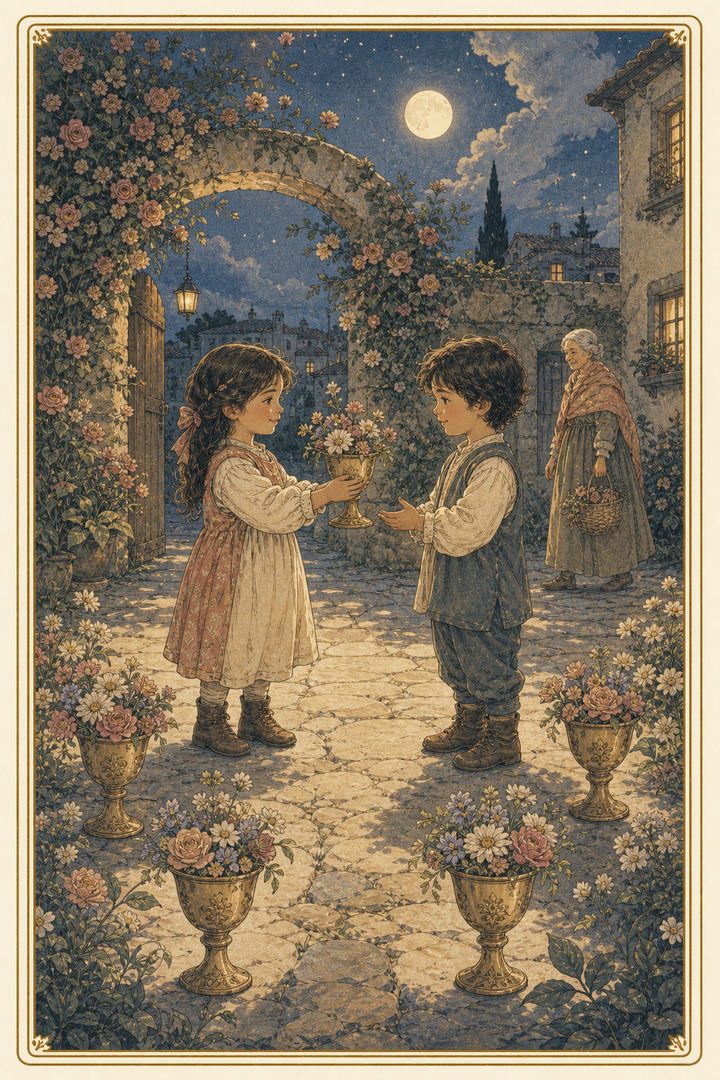
Same number, different element
Six of Cups
The same position in the suit's arc, worked out in water instead of air. Reading the four together is the fastest way to learn what the number itself means.
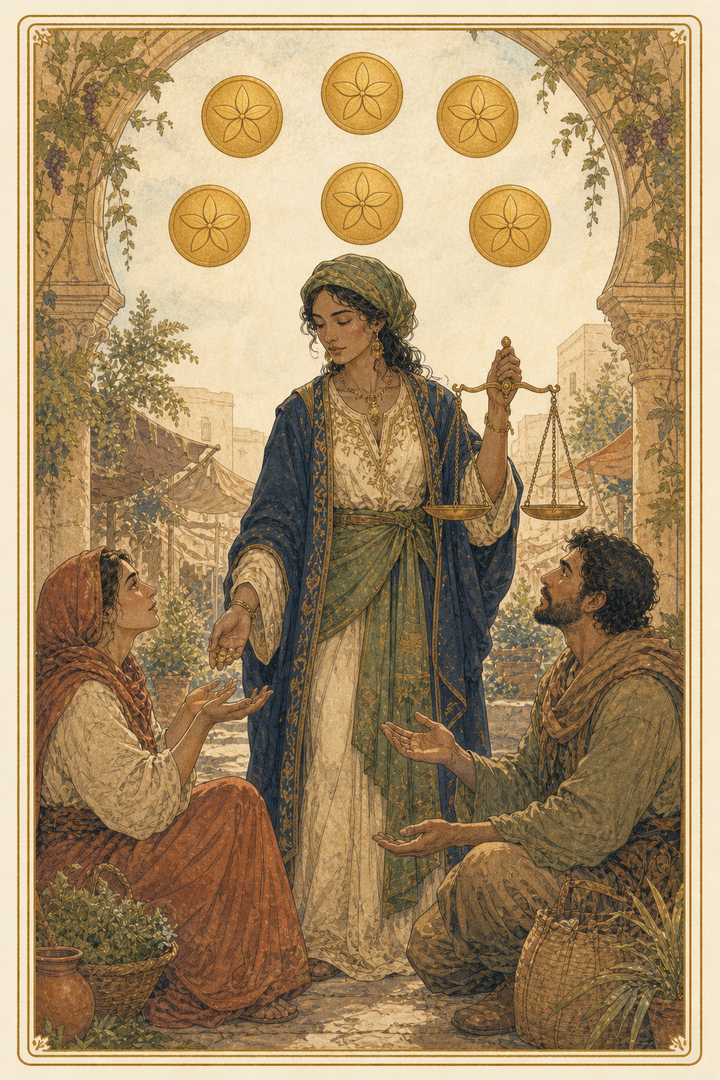
Same number, different element
Six of Pentacles
The same position in the suit's arc, worked out in earth instead of air. Reading the four together is the fastest way to learn what the number itself means.
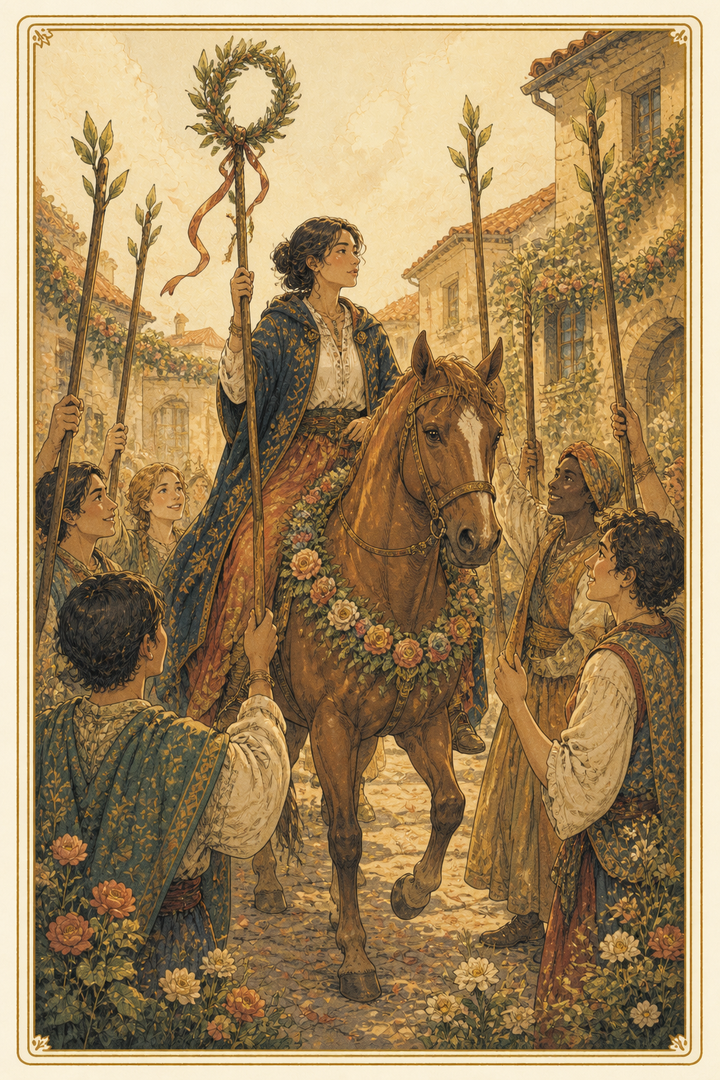
Same number, different element
Six of Wands
The same position in the suit's arc, worked out in fire instead of air. Reading the four together is the fastest way to learn what the number itself means.
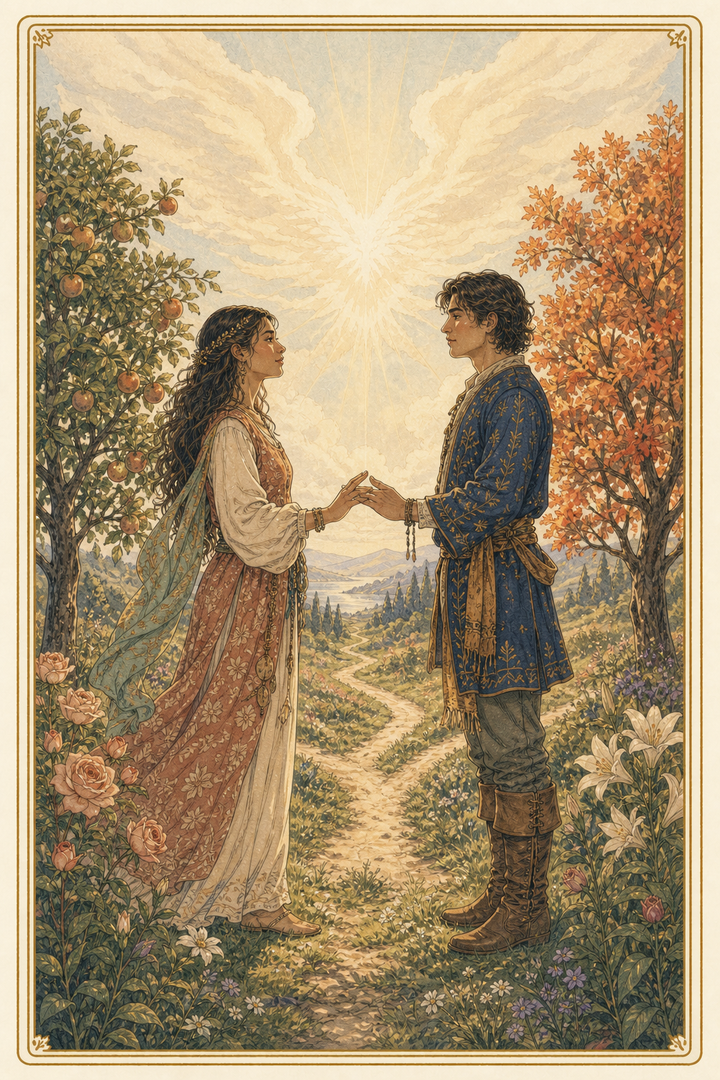
The trump of the same number
The Lovers
The Lovers is the same number raised to the level of a life theme. What the Six of Swords does inside one situation, this card does to a whole chapter — the pip is the trump in ordinary clothes.
Also ruled by Mercury
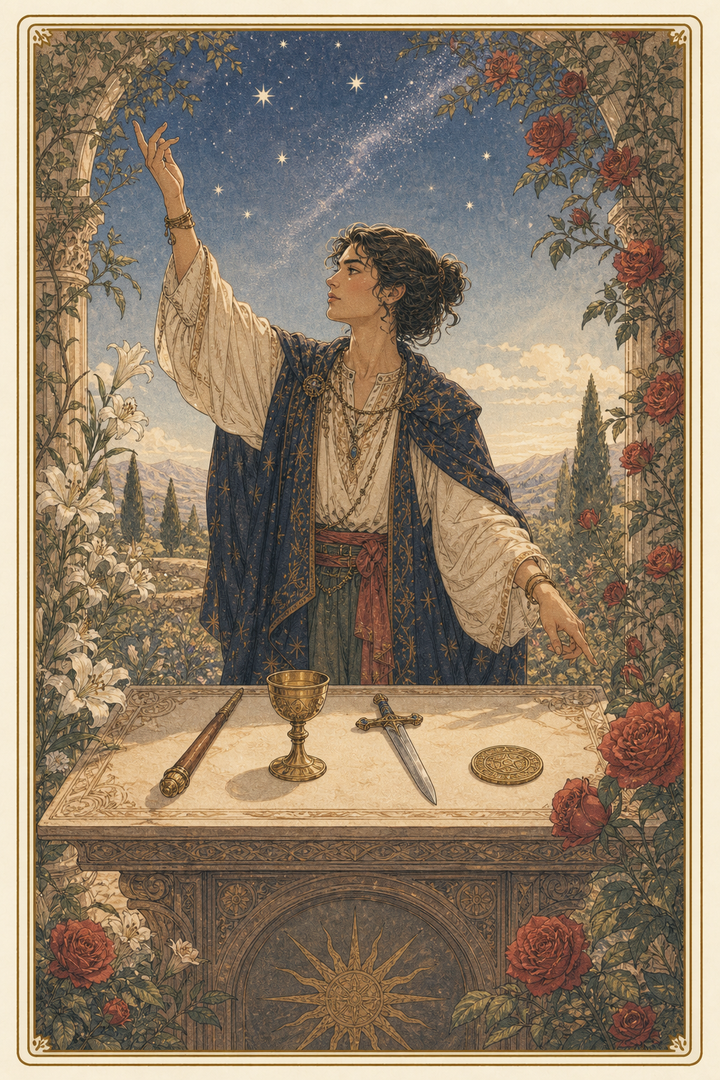
The Magician
A different suit and a different degree, but the same planet behind it. Cards sharing a ruler tend to turn up together, and they describe one pressure showing itself in several places at once.
Also ruled by Mercury
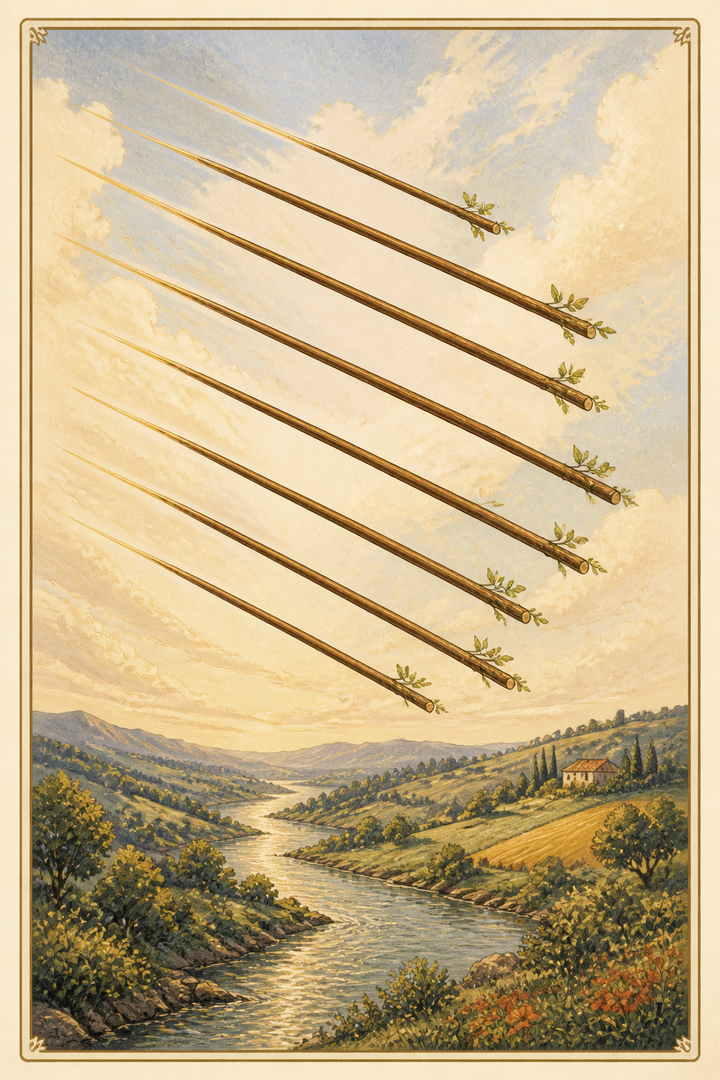
Eight of Wands
A different suit and a different degree, but the same planet behind it. Cards sharing a ruler tend to turn up together, and they describe one pressure showing itself in several places at once.